Introduction
Walking into a showroom filled with gleaming stainless steel, touchscreens, and glowing LED indicators can make choosing kitchen appliances feel overwhelming. Every manufacturer promises revolutionary features, energy savings, and culinary perfection. Yet, if you have ever tried to squeeze a standard-depth refrigerator past a kitchen island, or listened to a noisy dishwasher drone through a family dinner, you know that flashy marketing rarely matches daily reality.
At Homes & Kitchens, we cut through the noise. We believe in knowledge before products and practical guidance before hype. Appliances are long-term investments. Major domestic appliances carry an expected replacement cycle of eight to twelve years, meaning the choices you make today dictate your household rhythm, utility bills, and culinary workflow for over a decade.
This guide examines the market with a critical, engineering-focused eye. We look past the feature lists to evaluate how these machines perform under real-world conditions—handling Sunday meal prep, quiet weeknight cleanups, and the unpredictable demands of a busy household.
The Modern Kitchen Landscape: What Matters in 2026
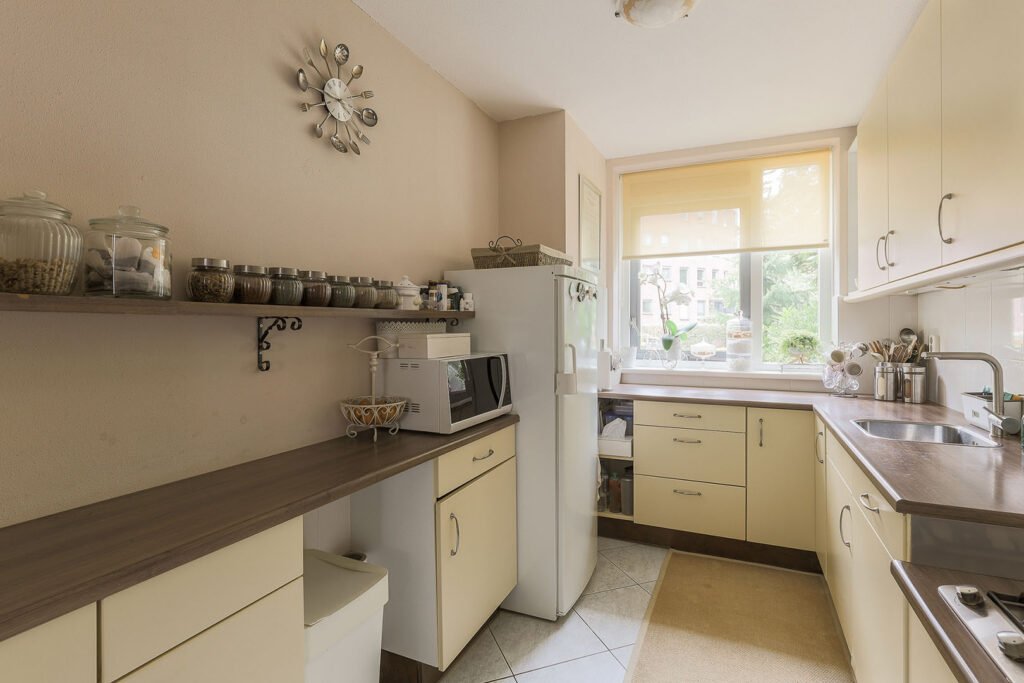
The definition of a high-performing kitchen appliance has shifted. A decade ago, innovation meant adding complex digital interfaces and multiple specialty modes. Today, the design philosophy focuses on discreet intelligence, quiet performance, and measurable energy efficiency.
Homeowners are prioritizing appliances that integrate smoothly into open-concept floor plans. Noise pollution in the home is a major design concern; open living spaces demand whisper-quiet dishwashers and low-vibration refrigerators that blend into the background. Furthermore, with fluctuating utility costs, energy efficiency is no longer an optional perk—it is an economic necessity that directly lowers monthly overhead.
Before purchasing, consider how an appliance fits your holistic kitchen ecosystem. Review our guide on Kitchen Remodel Cost Guide to understand how appliance budgets factor into broader structural updates, and consult Countertop Materials to ensure your cabinetry and surfaces can support heavy, built-in units.
Core Kitchen Appliances: Categories & Expert Selections
Refrigerators: Keeping Food Fresh Efficiently
The refrigerator is the only major appliance that runs continuously, consuming roughly 10% to 15% of a home’s total electricity. Choosing the right model balances capacity, layout, and thermal efficiency.
- Best Overall: Standard French Door Refrigerator. Offers optimal eye-level storage for fresh goods and flexible bottom-freezer drawer organization. Look for models featuring dual evaporators, which maintain separate humidity levels for the fridge and freezer to prevent produce from drying out.
- Best for Small Kitchens & Apartments: Counter-Depth Side-by-Side or Compact French Door. Built to sit flush with standard 24-inch to 25-inch deep cabinetry, eliminating the awkward jut into narrow walkways.
- Best Premium: Panel-Ready Integrated Refrigerators. These units accept custom cabinetry panels, completely hiding the appliance behind your kitchen woodwork for a high-end, seamless architectural look.
Expert Tip: Always measure your entryways, hallway turns, and cabinet clearance twice. Zero-clearance hinge designs are essential if your refrigerator sits directly adjacent to a sidewall, ensuring doors can open fully to 90 degrees without scraping drywall.
Ranges and Cooktops: The Shift to Induction and Precision Gas
The cooking surface is the heart of culinary execution. In recent years, induction cooking has transitioned from a niche European luxury to a dominant market preference for North American homes.
- Best Overall: 30-Inch Induction Slide-In Range. Induction technology uses electromagnetic energy to heat pots and pans directly rather than warming the glass surface. This results in lightning-fast boiling times, precise temperature adjustments, and an exceptionally safe, cool-to-the-touch cooktop surface.
- Best Traditional Alternative: Dual-Fuel Pro-Style Range. Combines an electric convection oven for uniform baking accuracy with a high-BTU gas cooktop favored by home chefs who prefer visual flame control and cast-iron grates.
For help selecting complementary cooking accessories, explore our resource on Air Fryer vs Toaster Oven.
Dishwashers: Quiet Cleaners and Water Savers
A subpar dishwasher turns post-meal cleanup into a tedious chore of pre-washing and reloading. Modern engineering emphasizes sound dampening and high-efficiency water filtration.
- Best Overall: Integrated Dishwasher with Stainless Steel Tub. Stainless steel interiors resist odors, withstand high sanitization temperatures, and retain heat to improve drying performance. Look for decibel ratings under 44 dB(A) for near-silent operation.
- Best Budget: Front-Control Plastic-Tub Dishwasher. Reliable cleaning performance at a lower price point, though cycle times may be longer and drying relies more heavily on ambient evaporation rather than condensation or heated fans.
Ovens and Specialty Cookers
Whether you are baking artisan sourdough or roasting weeknight vegetables, thermal consistency dictates success. Convection systems—which use a rear fan to circulate hot air—reduce cooking times by up to 25% and ensure even browning across multiple racks.
- Best Smart Option: Wi-Fi Enabled Convection Wall Oven. Modern smart ovens feature integrated cameras and auto-recognition software that identify dishes and suggest precise cook times, minimizing guesswork for home cooks.
Comprehensive Appliance Comparison Table
| Appliance Category | Primary Benefit | Average Lifespan | Energy Profile | Best Suited For | Maintenance Effort |
| French Door Refrigerator | Ergonomic fresh food access, flexible storage | 10–13 Years | Moderate-High (Energy Star rated) | Families, medium-to-large kitchens | Moderate (Coil vacuuming bi-annually) |
| Induction Range | Rapid boiling, safety, precise heat control | 13–15 Years | High electrical efficiency | Modern homes, safety-conscious cooks | Low (Smooth surface wipe-down) |
| Pro-Style Gas Range | Visual flame, heavy-duty wok cooking | 15+ Years | Moderate gas consumption | Dedicated home chefs, gas-stubbed homes | High (Grate scrubbing, burner ports) |
| Quiet Built-In Dishwasher | Sub-44 dB sound level, water conservation | 9–12 Years | Low water/electricity per cycle | Open-concept homes, busy households | Low-Moderate (Filter cleaning monthly) |
| Convection Wall Oven | Uniform multi-rack baking and roasting | 12–15 Years | Moderate electrical load | Bakers, families who entertain frequently | Moderate (Periodic pyrolytic self-clean) |
Smart Kitchen Tech Worth Your Money
Smart technology in the kitchen often receives a bad reputation for gimmicky features—such as refrigerators that tweet or toaster ovens with web browsers. However, useful smart innovations directly improve safety, efficiency, and maintenance:
- Remote Diagnostics: Connected appliances send error codes directly to service technicians or your smartphone, reducing diagnostic guesswork during repairs.
- Time-of-Use Scheduling: Advanced smart dishwashers and laundry units can sync with local utility pricing APIs, automatically delaying heavy thermal cycles until off-peak hours when electricity is cheapest and cleanest.
- Precision Meat Probes: Bluetooth-enabled food probes insert directly into roasts, communicating with your oven or smartphone to shut off heat the exact second your target internal temperature is reached.
For guidance on integrating these connected systems, review our Kitchen Lighting Ideas and smart home setup manuals.
How to Choose Appliances Based on Your Living Space
Your floor plan dictates your physical limitations. Do not force commercial-grade specifications into compact footprints.
- For Apartments and Condos: Prioritize space-saving profile depths, stackable or compact laundry-kitchen combos, and multi-functional appliances like combination convection-microwave units.
- For Suburban Family Homes: Focus on high-capacity refrigeration (such as extra-deep crisper drawers for bulk warehouse club groceries) and large-capacity dishwashers that handle heavy daily dish loads.
- For Open-Concept Layouts: Acoustic dampening is critical. Invest in appliances rated below specific decibel thresholds so that running a dishwasher or ice maker does not disrupt conversations in the adjoining living room.
Installation, Safety, and Electrical Requirements
Never assume a direct “plug-and-play” swap when replacing major appliances.
- Electrical Loads: Induction ranges and double wall ovens often require dedicated 240V heavy-duty electrical circuits. If upgrading from a gas range to an induction cooktop, consult a licensed electrician to verify your home’s breaker panel capacity.
- Gas Safety: Gas ranges and cooktops require secure shut-off valves and professional leak testing. Always hire a certified professional for gas line connections.
- Water Supply Lines: Refrigerators with automatic ice makers and water dispensers require braided stainless steel supply lines rather than aging plastic tubing to prevent catastrophic kitchen floods.
Maintenance Advice to Double Your Appliance Lifespan
Routine preventative maintenance saves thousands of dollars in premature replacement costs and service calls.
- Refrigerator Condenser Coils: Dust and pet hair accumulate on lower or rear condenser coils, forcing the compressor to work harder and driving up electric bills. Vacuum these coils every six months using a crevice attachment.
- Dishwasher Filter Assemblies: Remove and wash the lower food trap filter monthly to prevent drainage odors and maintain spray arm pressure.
- Oven Calibration: If your bakes consistently burn or undercook, consult your user manual to adjust the electronic thermostat calibration offset rather than guessing temperatures.
Common Mistakes to Avoid When Buying Appliances
- Ignoring Door Swing and Clearance: Failing to account for handles, adjacent kitchen islands, or nearby walls can render an expensive refrigerator or oven door half-useless.
- Buying Excess Capacity: A massive 36-inch pro range generates excess ambient heat and consumes more energy than a standard 30-inch model. Match your appliance size to your actual cooking habits.
- Overlooking Finish Durability: Standard stainless steel shows fingerprints readily. If you have young children, consider fingerprint-resistant coatings or textured matte finishes.
- Neglecting Ventilation Match: High-BTU gas or induction cooktops require properly matched range hoods. Ensure your ventilation CFM (cubic feet per minute) matches your cooking output to clear grease and moisture effectively.
Frequently Asked Questions
Are induction cooktops compatible with all cookware?
No. Induction cooktops require magnetic cookware materials such as cast iron or magnetic stainless steel. If a magnet sticks firmly to the bottom of your pot or pan, it will work on induction. Pure aluminum, copper, and standard glass cookware are incompatible unless they feature a bonded magnetic base layer.
What is the average lifespan of a major kitchen appliance?
Most major kitchen appliances—including refrigerators, ranges, and dishwashers—last between 8 to 15 years. Well-maintained premium brands or commercial-style units can exceed 15 years, while smaller countertop appliances generally average 3 to 7 years.
Is counter-depth refrigeration worth the loss of interior volume?
Yes, if your kitchen layout suffers from narrow walkways. While counter-depth models sacrifice a few cubic feet of interior depth, they create a streamlined, custom look and prevent doors from blocking high-traffic kitchen paths.
How can I lower my kitchen energy bills through appliances?
Look for current Energy Star certifications, switch to induction cooking (which wastes significantly less thermal energy than gas or traditional electric coils), and run dishwashers on eco-mode during off-peak evening hours.
When should I repair an appliance instead of replacing it?
As a general rule of thumb, if an appliance is past the midpoint of its expected lifespan and the cost of the repair exceeds 50% of the price of a brand-new replacement, put your money toward a modern, energy-efficient upgrade.
Do smart appliances require a continuous internet connection to function?
Basic core functions—such as baking, cooling, and washing—always operate independently of Wi-Fi. An internet connection is only required for remote app monitoring, software updates, and smart assistant voice integration.
How loud is a quiet dishwasher?
Dishwashers operating under 44 dB(A) are classified as whisper-quiet. At this decibel level, you can comfortably stand next to the unit and hold a normal conversation without raising your voice.
What is dual-zone cooling in refrigerators?
Dual-zone or dual-evaporator cooling utilizes two separate cooling systems for the refrigerator and freezer compartments. This prevents food odors from transferring between compartments and maintains ideal humidity levels to keep produce fresh longer.
Can I install a built-in wall oven myself?
No. Built-in wall ovens operate on heavy electrical loads (240V) and require precise cabinet framing and weight support. Professional installation ensures electrical safety and proper thermal ventilation.
What causes streaks on stainless steel appliances?
Streaks usually result from using improper cleaners or wiping against the grain of the metal. Always clean stainless steel using a microfiber cloth and a dedicated cleaner, wiping strictly in the direction of the brushed metal grain lines.
Final Verdict & Key Takeaways
- Prioritize Your Space: Always measure physical clearance, doorways, and turning radii before purchasing major appliances.
- Embrace Efficiency: Upgrading to induction cooking and Energy Star appliances delivers long-term savings on utility bills.
- Focus on Lifespan: Regular maintenance—such as cleaning refrigerator coils and dishwasher filters—protects your investment and extends appliance operating life.
- Match Lifestyle to Features: Choose quiet dishwashers for open floor plans and counter-depth fridges to maximize kitchen maneuverability.
Ready to start planning your upgrade? Explore our comprehensive Kitchen Organization Ideas to optimize your layout, or review our Best Coffee Makers guide to complete your ultimate kitchen setup.