Introduction
Picture this: You are standing in front of your kitchen cabinets on a busy Tuesday night, balancing a messy tupperware avalanche while trying to find a matching lid. Or perhaps you are unpacking a lunchbox at your desk, only to realize your leftover marinara sauce has permanently dyed the interior of your favorite plastic container a vibrant, unforgiving shade of neon orange.
We have all been there.
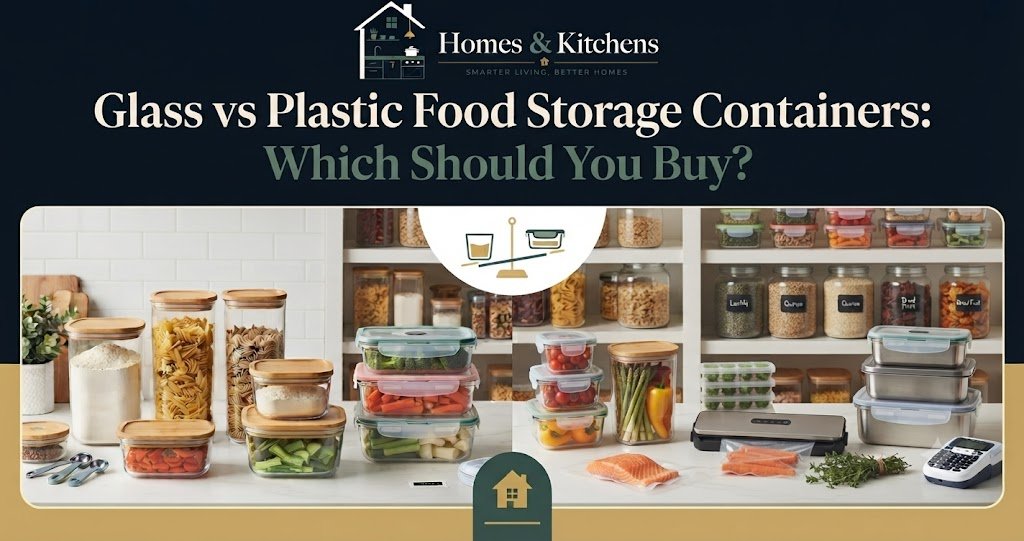
Choosing between glass vs plastic food storage containers feels deceptively simple until you start looking at the details. Do you prioritize lightweight convenience for your daily commute, or chemical safety and crystal-clear longevity for meal prepping?
As home design and kitchen organization consultants, we spend a lot of time testing everyday tools in real-world American kitchens. Through countless meal preps, dishwasher cycles, and microwave reheats, we have learned that neither option is universally superior. Each material serves a distinct purpose depending on your lifestyle, household makeup, and cooking habits. This comprehensive guide breaks down everything you need to know to make the right investment for your home.
The Modern Kitchen Dilemma: Why Food Storage Matters
Your kitchen storage system does more than just hold leftovers; it dictates how efficiently you cook, how long your groceries last, and what microscopic compounds might end up in your family’s meals. In many U.S. homes, kitchen drawers become a chaotic graveyard of warped lids and stained bases because containers were bought on impulse rather than curated for purpose.
Selecting the right containers impacts three major pillars of daily life:
- Health and Safety: Minimizing chemical migration from materials into food, especially when heated.
- Organization and Space: Maximizing cabinet real estate and refrigerator efficiency.
- Financial Value: Buying once and buying right instead of replacing warped or stained sets every twelve months.
Deep Dive: Glass Food Storage Containers
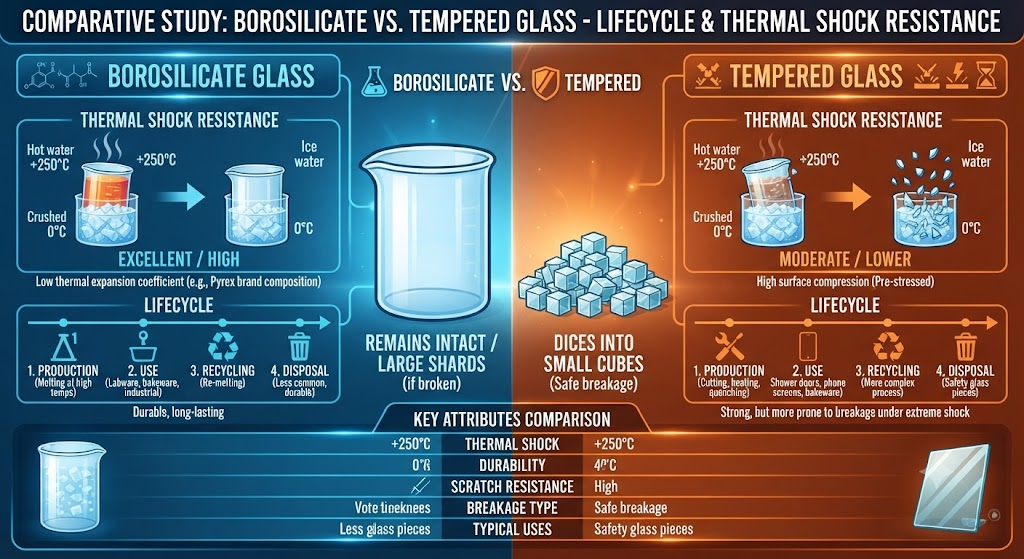
Glass containers have surged in popularity, becoming a staple in modern kitchen design. Heavy-duty borosilicate or tempered soda-lime glass offers a clean, aesthetic look that transitions seamlessly from the oven to the dining table.
The Pros of Glass Containers
- Zero Chemical Leaching: Glass is non-porous and inert. You never have to worry about BPA, phthalates, or microplastics leaching into your food, even under high heat.
- Stain and Odor Resistance: Curry, turmeric, and tomato sauces wash right off. Glass will never trap lingering garlic or coffee smells.
- True Multi-Tasking: Most high-end glass containers can go straight from the freezer to the oven or microwave, saving you from dirtying extra dishes.
- Visual Clarity: You can instantly see what is hiding on the back shelf of your refrigerator, drastically reducing food waste.
The Cons of Glass Containers
- Weight: Glass is significantly heavier than plastic. Lugging a heavy glass meal prep container in a backpack or tote bag can quickly become tiring.
- Breakability: While tempered glass is tough, it is not invincible. Dropping a full glass container onto a hard tile or hardwood kitchen floor usually results in a shattering mess.
- Higher Initial Cost: Quality glass sets with airtight, leak-proof silicone gasket lids require a larger upfront investment.
Expert Tips for Glass Storage
- Check the Thermal Rating: Always verify whether your glass is borosilicate (which handles thermal shock exceptionally well) or standard tempered glass, and avoid moving it from an icy freezer straight into a blistering hot preheated oven unless explicitly rated for it.
- Lid Care: Even though the glass base is dishwasher safe, many manufacturers recommend hand-washing the plastic lids with silicone seals to prevent warping over time.
Deep Dive: Plastic Food Storage Containers
Plastic remains the undisputed king of convenience. From lightweight take-and-go lunch containers to budget-friendly bulk sets, plastic is a ubiquitous presence in American pantries.
The Pros of Plastic Containers
- Lightweight and Portable: Plastic containers will not weigh down your gym bag, kids’ school lunchboxes, or work tote.
- Shatterproof Durability: Drop a plastic container on concrete, tile, or hardwood, and it simply bounces. This makes plastic ideal for households with young children or outdoor dining.
- Affordability: You can purchase a comprehensive multi-piece plastic storage set for a fraction of the cost of a smaller glass collection.
- Nesting and Stacking: Many plastic lines are engineered to nest efficiently inside one another, making cabinet organization much simpler.
The Cons of Plastic Containers
- Staining and Scratched Surfaces: Over time, acidic foods like tomato sauce or chili will etch and stain plastic. Micro-abrasions from utensils and scrubbing sponges also trap food residue and bacteria.
- Chemical Migration Concerns: Even with BPA-free plastics, frequent exposure to microwave heat can cause the material to degrade, potentially releasing microscopic particles into your food.
- Short Lifespan: Plastic containers warp in high-heat dishwashers, absorb stubborn odors, and eventually require recycling and replacement.
Common Mistakes to Avoid with Plastic
- Microwaving with Lids Sealed: Never microwave plastic containers with the lid snapped tightly shut. Pressure buildup can warp the plastic or cause hot liquids to splatter. Instead, lay the lid loosely across the top to vent steam.
- Using Abrasive Sponges: Scrubbing plastic with steel wool or coarse scouring pads creates micro-scratches that harbor food oils and bacteria. Stick to soft sponges and mild dish soap.
Glass vs Plastic Food Storage Containers: Head-to-Head Comparison
| Feature | Glass Containers | Plastic Containers | Winner |
| Durability & Lifespan | Long-lasting if kept safe from drops; highly scratch-resistant. | Prone to staining, scratching, and warping over time. | Glass |
| Portability & Weight | Heavy; adds noticeable weight to bags and lunchboxes. | Lightweight, shatterproof, and easy to transport. | Plastic |
| Health & Safety | Inert material; zero chemical leaching or odor retention. | Can degrade with high heat; potential microplastic concerns. | Glass |
| Cost | Higher initial investment. | Budget-friendly and widely accessible. | Plastic |
| Versatility (Oven/Microwave) | Oven-safe, microwave-safe, freezer-safe, and dishwasher-safe. | Microwave and freezer-safe (check ratings); rarely oven-safe. | Glass |
Step-by-Step Guide: How to Choose the Right System for Your Home
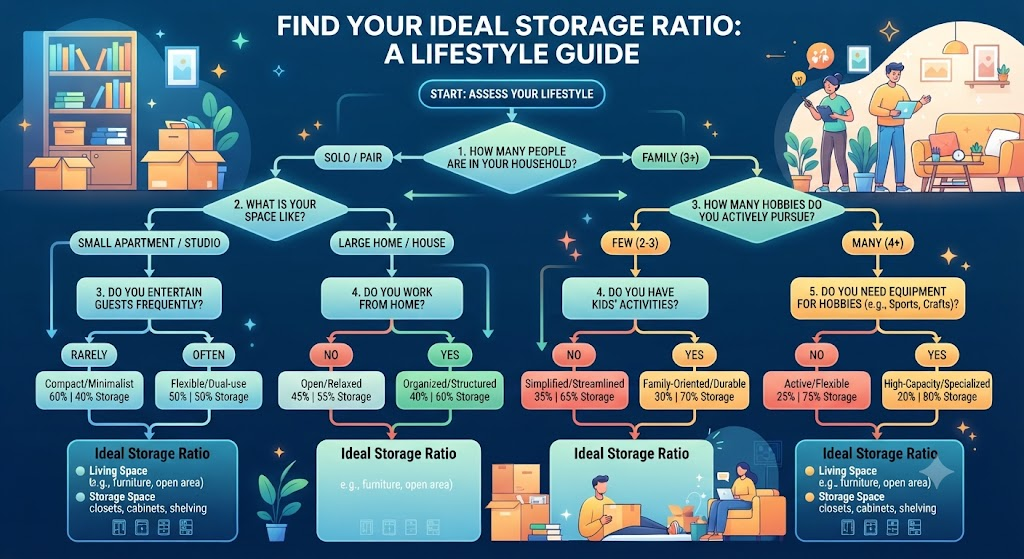
Building an efficient kitchen storage system does not mean you have to choose exclusively one material. Many professional organizers recommend a hybrid approach. Follow this step-by-step framework to determine your ideal inventory:
Step 1: Audit Your Current Inventory
Pull every single container and lid out of your cabinets. Match them up. Recycle any warped, stained, or orphan plastic containers that no longer have a matching lid. Take note of what shapes and sizes you actually reach for on a weekly basis.
Step 2: Assess Your Daily Routine
- Are you packing lunches for field work, commuting, or school? Prioritize lightweight, leak-proof plastic or lightweight Tritan containers for daily transit.
- Do you primarily meal prep on Sundays and store meals in your home fridge and freezer? Invest in heavy-duty glass containers that go straight from the freezer to the oven or microwave.
Step 3: Evaluate Your Household Demographics
If you have toddlers, clumsy teenagers, or an outdoor patio lifestyle where glass poses a safety hazard, keep shatterproof plastic or stainless steel options accessible for everyday casual use.
Step 4: Curate a Hybrid Collection
Adopt a balanced 70/30 or 50/50 split. Use glass for your home baking, freezer-to-oven meal prepping, and pantry storage, while reserving plastic for kids’ lunches, picnics, and high-mobility days.
Product Recommendations & Affiliate Section
Note: We research and test products independently. If you purchase through our links, we may earn a commission at no extra cost to you, which supports our ongoing kitchen testing labs.
Best Overall Glass Storage Set: Pyrex Ultimate Simply Store
- Who it’s best for: Home cooks looking for premium durability, oven-to-table versatility, and long-term investment value.
- Why we recommend it: The upgraded glass bases and secure, custom-fit silicone-rimmed lids offer superior leak protection compared to traditional flimsy plastic lids.
Best Lightweight Everyday Plastic Set: Rubbermaid Brilliance
- Who it’s best for: Busy commuters, parents packing school lunches, and anyone needing 100% leak-proof portability.
- Why we recommend it: Made from crystal-clear Tritan plastic, these containers resist stains and odors far better than standard cheap plastic while remaining completely shatterproof and lightweight.
Kitchen Organization Checklist
Use this quick checklist to streamline your kitchen storage upgrade:
- Purge all unmatched, warped, or stained containers.
- Determine your ratio of home-cooked storage vs. on-the-go transit.
- Invest in matching sets to maximize vertical cabinet stacking.
- Label meal preps with masking tape and dates to cut down on food waste.
- Store containers with lids off or resting loosely to prevent trapped moisture and musty odors.
Frequently Asked Questions
Are all plastic food containers unsafe?
No. Modern food storage plastics are regulated, and many are labeled BPA-free. However, frequent exposure to high heat in microwaves or dishwashers can degrade plastics over time, which is why many health-conscious consumers prefer transitioning heated items to glass.
Can glass containers go directly from the freezer to the oven?
It depends entirely on the glass type. Borosilicate glass handles extreme temperature shifts very well, but standard tempered glass can shatter if subjected to severe thermal shock. Always check the manufacturer’s specific instructions before moving a frozen dish straight into a hot oven.
How do I get tomato stains out of plastic containers?
Make a paste using baking soda and a little warm water, apply it to the stained area, and let it sit for 30 minutes before scrubbing gently with a soft sponge. Alternatively, soak the container in a mixture of warm water and white vinegar.
Final Verdict
When comparing glass vs plastic food storage containers, there is no single right answer for every home. Glass wins on health, longevity, and versatility for home cooking and reheating, while plastic wins on portability, budget, and safety against drops. For the most functional kitchen, a hybrid approach utilizing glass at home and plastic on the go provides the ultimate balance of convenience and performance.
Key Takeaways
- Glass offers superior resistance to stains, odors, and chemical leaching, making it ideal for home meal prep and oven use.
- Plastic provides lightweight, shatterproof portability that is safer for commutes and households with children.
- A hybrid storage system allows you to leverage the unique benefits of both materials.
- Proper maintenance, such as avoiding high-heat microwaving with sealed plastic lids, drastically extends the lifespan of your storage investment.
Conclusion
Upgrading your food storage system is one of the most cost-effective ways to bring calm and efficiency to your daily routine. By understanding how glass and plastic perform in real-world conditions, you can build a streamlined kitchen setup that saves you time, protects your family’s health, and keeps your cabinets organized for years to come. For more kitchen setup ideas, explore our guide to Kitchen organization strategies on Homes.