Picture this: It is a rainy Tuesday evening in a suburban American kitchen. You are trying to whip up a quick weeknight stir-fry, but your favorite skillet has seen better days. The coating is flaking off into the vegetables, the bottom warped months ago on your glass-top electric stove, and the handle wobbles precariously every time you toss the ingredients. Frustrated, you end up ordering takeout—again.
Upgrading your kitchen ecosystem starts at the very foundation: your pots and pans. Choosing the right collection transforms daily meal preparation from a chore into something you genuinely look forward to.
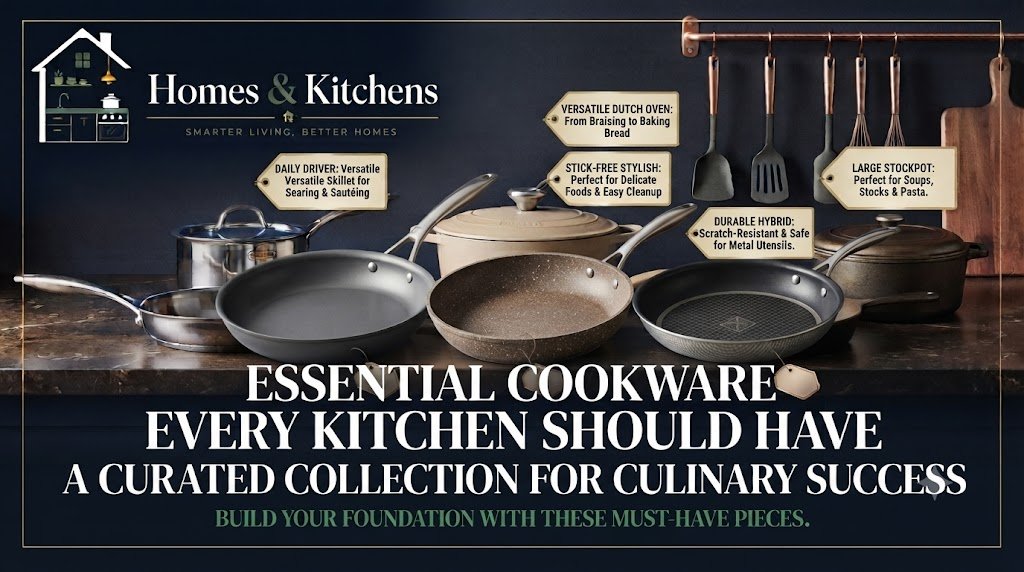
Whether you are moving into your first apartment, outfitting a newly renovated kitchen, or replacing a mismatched cabinet of hand-me-downs, navigating the market for the best cookware sets can feel overwhelming. With choices spanning multi-ply stainless steel, modern ceramic nonstick, and heritage cast iron, how do you know what actually deserves a spot on your stovetop?
This comprehensive guide cuts through the marketing noise. Grounded in rigorous kitchen insights and real-world domestic habits across U.S. homes, we break down top-performing options, material breakdowns, common pitfalls, and a step-by-step selection framework.
Explore more ideas across our Kitchen category or browse general guides on Homes.
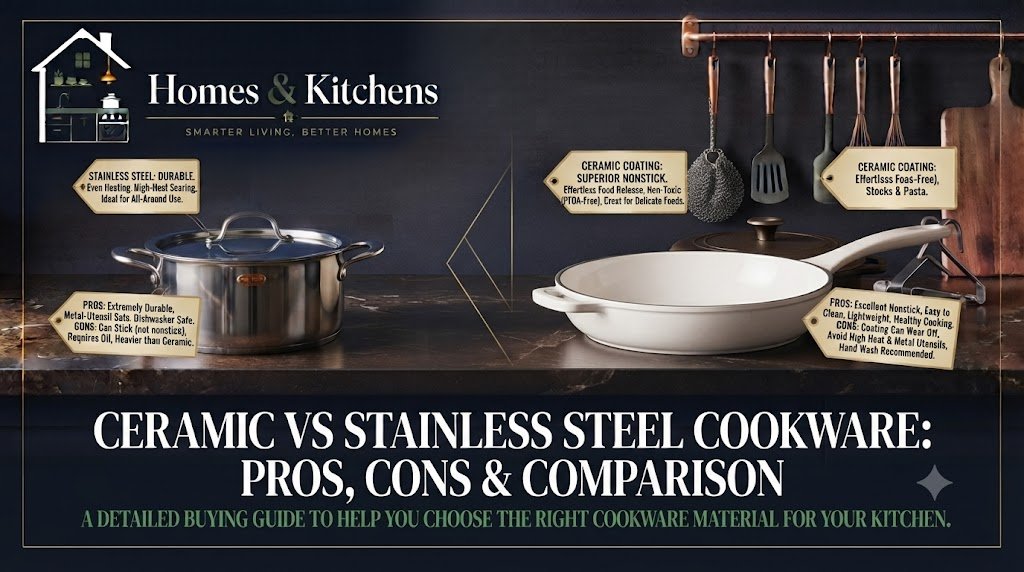
Understanding Cookware Materials: Which One Fits Your Cooking Style?
Before looking at specific brands, understanding the underlying metallurgy and manufacturing is essential. Different materials behave in entirely unique ways under heat.
| Material Type | Best For | Primary Drawback |
| Tri-Ply Stainless Steel | Searing, browning, and long-term wear | Requires learning proper heat control |
| Ceramic Nonstick | Eggs, low-oil cooking, and aesthetics | Shorter lifespan than metal cookware |
| Hard-Anodized Aluminum | Everyday budget-friendly cooking | Heavier than basic stamped aluminum |
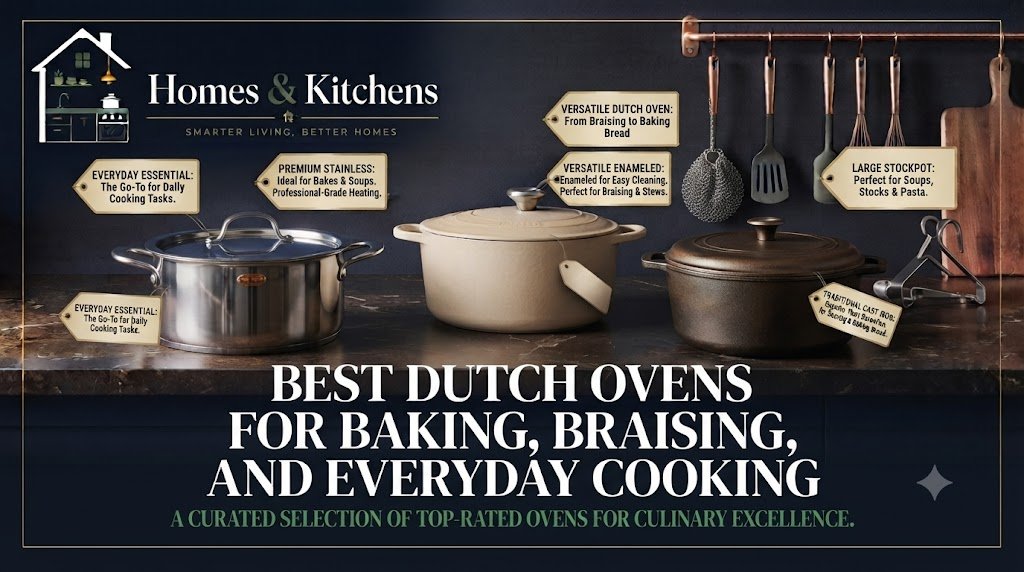
| Enameled Cast Iron | Braising, baking bread, and stews | Extremely heavy and slow to heat |
Tri-Ply Stainless Steel
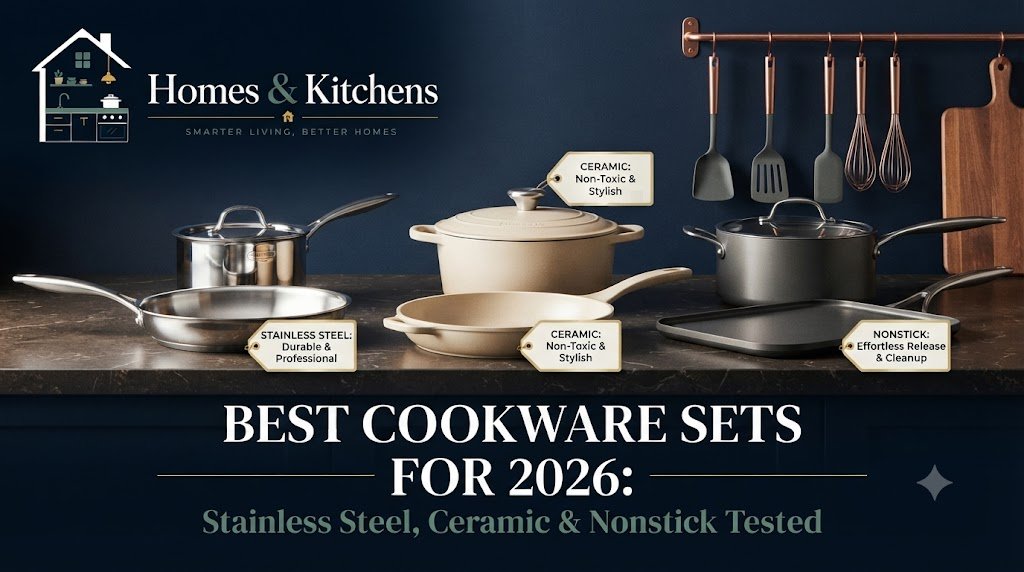
Stainless steel is the undisputed workhorse of professional kitchens and passionate home cooks. During testing, tri-ply stainless steel—featuring an aluminum or copper core sandwiched between layers of stainless steel—consistently delivered superior, even heat distribution without hot spots.
- Why it shines: It is virtually indestructible, completely metal-utensil safe, and can transition seamlessly from stovetop to a 500°F oven.
- The catch: Food can stick if you do not master preheating techniques (the classic Leidenfrost water droplet test).
Ceramic Nonstick
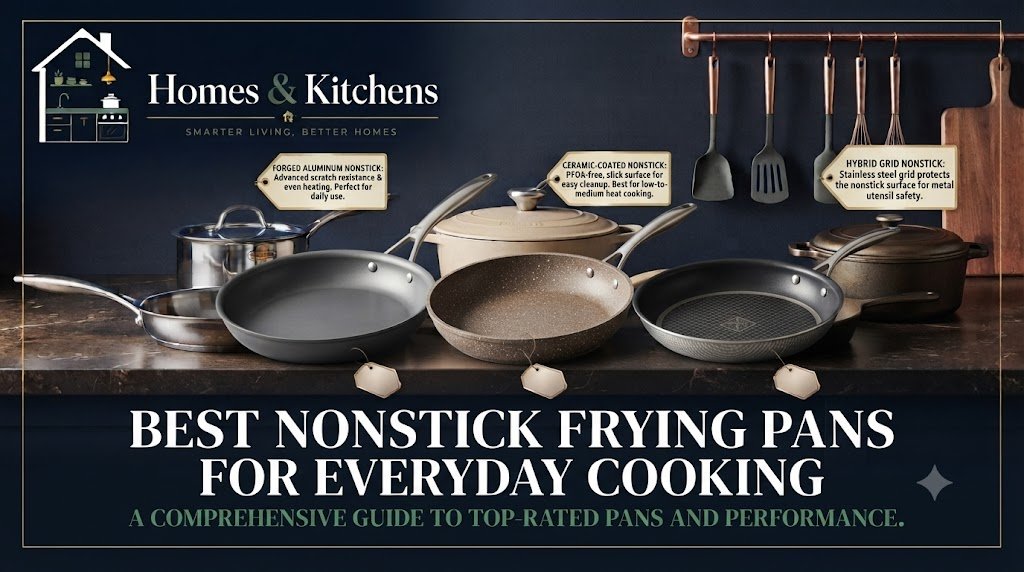
In many U.S. homes, health-conscious cooking has driven massive demand for PFAS-, PFOA-, and PTFE-free ceramic nonstick surfaces.
- Why it shines: These pots and pans require minimal butter or oil and slide clean with a quick wipe of a sponge.
- The catch: Ceramic coatings degrade faster than metal. Even with meticulous care, their nonstick release properties typically diminish after 2 to 4 years of heavy use.
Top-Tested Cookware Sets for 2026
We evaluated leading market offerings based on heat conductivity, ergonomic comfort, oven safety, and long-term durability.
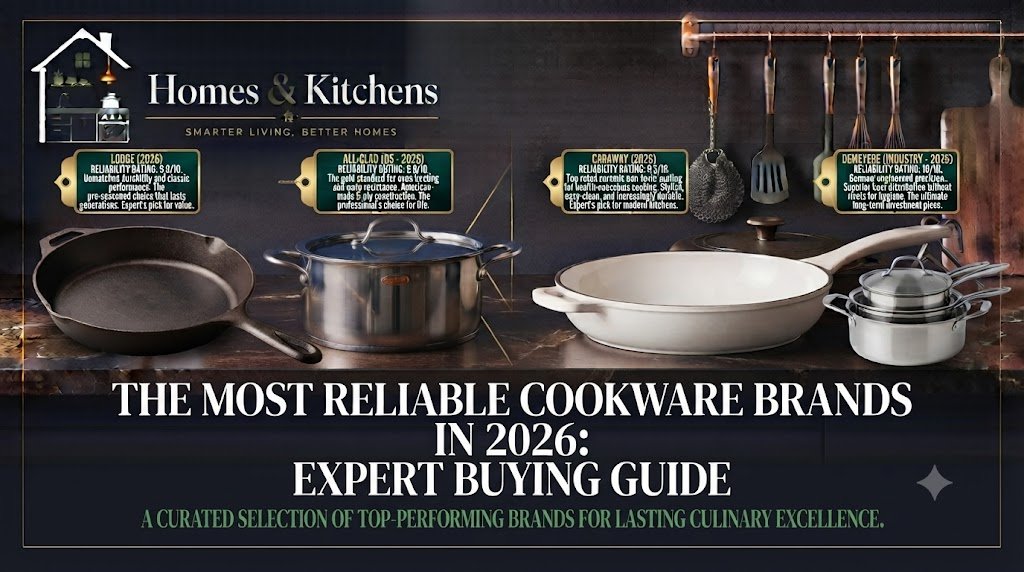
1. Best Overall Stainless Steel: Tramontina Gourmet Tri-Ply Clad 10-Piece Set
For most home cooks, the Tramontina Tri-Ply Clad set hits the absolute sweet spot between professional-grade performance and realistic pricing.
- Includes: 8- and 10-inch fry pans, 1.5- and 3-quart covered saucepans, 3-quart covered braiser, and 6-quart covered deep stockpot.
- Why we recommend it: Fully clad construction means the aluminum core runs all the way up the sides of the vessels, not just across the bottom. It rivals much more expensive alternatives like All-Clad while remaining induction-compatible and dishwasher-safe.
- Best for: Home cooks looking for lifetime durability without a four-figure investment.
2. Best Premium Stainless Steel: All-Clad D3 Stainless 10-Piece Set
If you want the gold standard of American-made culinary hardware, the All-Clad D3 line remains unmatched.
- Includes: 8- and 10-inch frying pans, 2- and 3-quart saucepans with lids, 3-quart sauté pan, and 8-quart stockpot.
- Why we recommend it: The riveted stainless handles and warp-resistant tri-ply bonded metal offer pristine control. One practical lesson homeowners often discover is that once you learn how to properly preheat a D3 pan, sticking ceases to be an issue.
- Best for: Dedicated culinary enthusiasts willing to invest in heirloom-quality tools.
3. Best Ceramic Nonstick: Caraway 12-Piece Cookware Set
A favorite in modern kitchens, Caraway combines aesthetic appeal with non-toxic ceramic performance.
- Includes: Fry pan, saucepan, sauté pan, Dutch oven, and a brilliant modular magnetic pan/lid storage rack system.
- Why we recommend it: It is entirely free of heavy metals and chemical coatings like PTFE. The food release is stellar for delicate items like omelets or fish fillets.
- Best for: Homeowners prioritizing non-toxic materials, easy clean-up, and organized cabinet storage.
4. Best Budget-Friendly Option: T-fal Ultimate Hard-Anodized 12-Piece Set
You do not need to spend hundreds of dollars to get reliable daily performance.
- Includes: Fry pans, saucepans, a sauté pan, a Dutch oven, and nylon measuring spoons.
- Why we recommend it: The hard-anodized aluminum body resists scratching, and T-fal’s patented Thermo-Spot heat indicator lets you know precisely when the pan is preheated.
- Best for: First apartments, college graduates, and budget-conscious families.
Comparison Table: Quick Specs Overview
| Cookware Set | Material Type | Oven Safe Limit | Induction Compatible | Maintenance Level |
| Tramontina Tri-Ply Clad | Tri-Ply Stainless Steel | 500°F | Yes | Low (Dishwasher safe) |
| All-Clad D3 | Tri-Ply Stainless Steel | 600°F | Yes | Low (Dishwasher safe) |
| Caraway Ceramic | Ceramic-Coated Aluminum | 550°F | Yes | Moderate (Hand wash recommended) |
| T-fal Ultimate | Hard-Anodized Aluminum | 400°F | No | Moderate (Hand wash recommended) |
Step-by-Step Guide: How to Choose the Right Cookware Set for Your Kitchen
Navigating dozens of configurations can induce analysis paralysis. Follow this structured roadmap to narrow down your choices:
- Audit Your Current Stovetop:
- Check whether you cook on gas, electric radiant coil, smooth glass-top, or induction. Induction cooktops require magnetic metals (like stainless steel or cast iron); pure aluminum or copper will not work unless they have a bonded induction plate.
- Evaluate Your Cooking Habits:
- Do you sear meats, make pan sauces, and throw pans directly into the oven? Lean toward stainless steel.
- Do you primarily cook eggs, pancakes, and delicate fish with minimal fuss? Opt for ceramic nonstick.
- Count the Pieces Accurately:
- Manufacturers often inflate set counts by counting every single lid as a separate piece (e.g., a 10-piece set is usually 5 pots/pans and 5 lids). Focus on the core vessels you will actually use: an 8- or 10-inch skillet, a 3-quart saucepan, a sauté pan, and a stockpot.
- Test the Weight and Balance:
- Visit a local home goods retailer if possible to lift the display models. A heavy stockpot needs comfortable helper handles, and a skillet should feel balanced in your wrist rather than wrist-strainingly heavy.
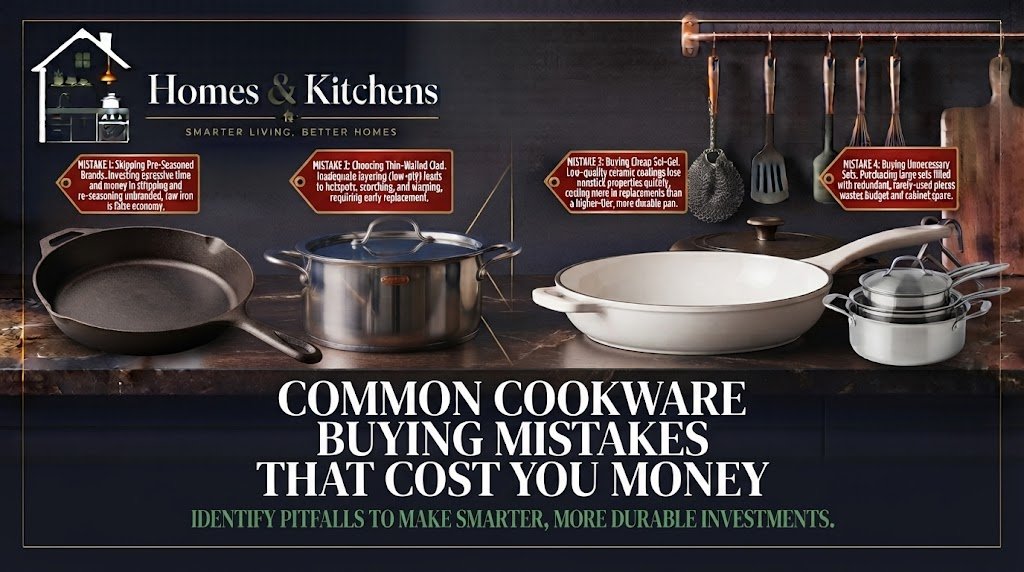
Common Mistakes to Avoid When Buying and Using Cookware
Even top-tier cookware can be ruined prematurely through common user errors. Keep these pitfalls in mind:
- Using High Heat on Nonstick Surfaces: Excessive heat breaks down ceramic and PTFE coatings rapidly. Always cook on low-to-medium heat settings with nonstick pans.
- Putting Nonstick in the Dishwasher: Harsh dishwasher detergents and high-pressure water jets etch and degrade nonstick coatings over time. Always hand-wash ceramic and nonstick pans with a soft sponge.
- Thermal Shock: Plunging a blazing-hot stainless steel pan straight into cold sink water causes the metal to warp instantly. Let pans cool naturally before washing.
- Skipping the Preheat with Stainless Steel: Throwing cold meat into a cold stainless steel pan guarantees it will stick. Heat your dry pan first, add oil until it shimmers, and then introduce your food.
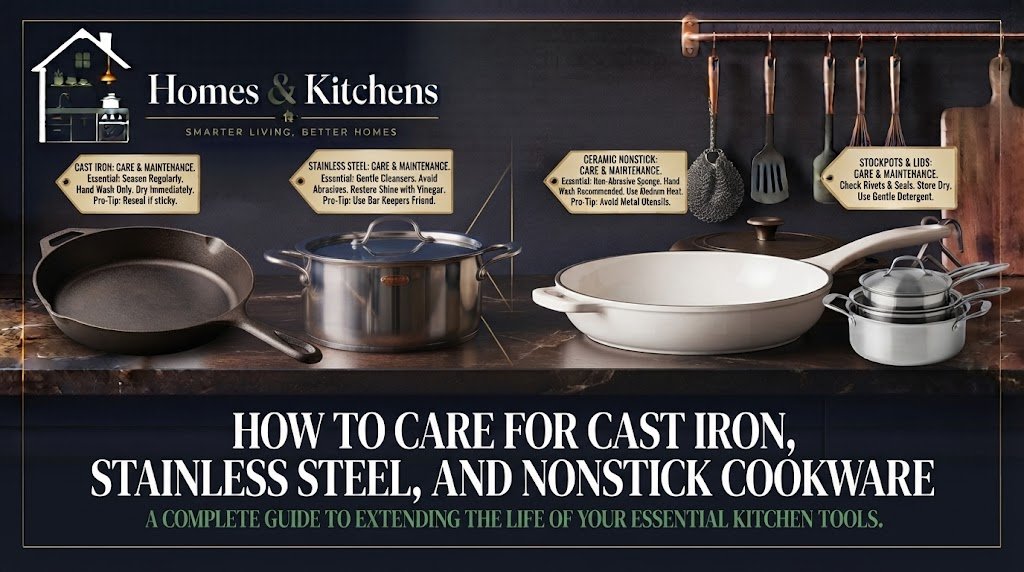
Expert Tips for Maximizing Cookware Longevity
- Invest in Silicone and Wood Utensils: Metal spatulas and whisks will gouge nonstick coatings instantly. Reserve metal tools exclusively for your stainless steel and cast-iron pieces.
- Store with Care: If stacking ceramic or nonstick pans, use felt pan protectors or soft cloth dividers between them to prevent scratching the interior glazing.
- Clean Stainless Steel with Barkeepers Friend: Stubborn grease stains or burnt-on food spots on stainless steel can be easily buffed away using a mild oxalic acid cleanser without harming the metal.
The Ultimate Cookware Buying Checklist
Before pulling out your credit card, ensure your prospective set checks every box:
- Matches your specific cooktop type (gas, electric, or induction).
- Oven-safe up to the temperatures you typically bake or broil at (at least 400°F to 500°F).
- Features comfortable, securely riveted or welded handles that do not get hot on the stovetop.
- Includes the exact pot and pan sizes you regularly use rather than filler pieces you will ignore.
- Backed by a reputable manufacturer warranty against defects.
Frequently Asked Questions
Is stainless steel better than ceramic nonstick?
Neither is strictly “better”—they serve entirely different purposes. Stainless steel excels at high-heat searing, building complex pan sauces, and lasting for decades. Ceramic nonstick offers effortless food release for delicate items like eggs but wears out over time.
Can I use metal utensils on induction-safe cookware?
It depends entirely on the interior surface. You can use metal utensils freely on stainless steel and cast iron, but doing so on ceramic or traditional nonstick pans will scratch and ruin the coating.
How often should cookware sets be replaced?
A quality tri-ply stainless steel or cast iron set can easily last a lifetime (10 to 30+ years). Conversely, nonstick and ceramic sets typically require replacement every 3 to 5 years depending on frequency of use and maintenance.
Final Verdict
If you want a buy-it-for-life setup that handles everything from weeknight searing to holiday dinners, invest in a multi-ply stainless steel collection like the Tramontina Tri-Ply Clad or All-Clad D3. If your cooking routine revolves around low-oil breakfast prep and effortless cleanup, a non-toxic option like the Caraway Ceramic Set will bring immense joy to your daily routine.
Key Takeaways
- Match material to method: Use stainless steel for searing and durability; use ceramic nonstick for easy food release and low-fat cooking.
- Ignore inflated piece counts: Always check what individual pots and pans are included rather than relying on total box piece numbers that count lids.
- Protect your investment: Hand-wash nonstick surfaces, avoid high heat on ceramic coatings, and always preheat stainless steel properly.
Conclusion
Outfitting your kitchen with the right cookware set is an investment in your daily lifestyle and culinary creativity. By matching your actual cooking habits with the correct material properties and committing to proper care and maintenance your kitchen will remain ready for effortless weeknight meals and ambitious weekend culinary projects alike.