Introduction
Picture this: It is a busy Tuesday evening, and you are rushing to whip together a quick weeknight dinner. You reach into the pantry for a bag of all-purpose flour, only to realize a tiny tear in the packaging has allowed pantry moths to move in. Or perhaps you pull down a box of spaghetti that was half-opened three weeks ago, spilling stale noodles across your freshly cleaned counter.
We have all been there. In many U.S. homes, the pantry transforms into a chaotic catch-all zone for crinkly plastic bags, half-empty cardboard boxes, and mismatched clips that never quite seal out humidity. Beyond the aesthetic frustration, this disorganization leads to unnecessary food waste and higher grocery bills as staples go stale or attract pests.
Investing in the right storage system changes everything. Transforming a cluttered cupboard into a streamlined, uniform space does more than just look satisfying on social media; it preserves the shelf life of your dry goods, protects against household humidity, and saves you precious time during meal prep.
Throughout years of hands-on home organizing and testing across various kitchen layouts, one reality stands out: not all storage solutions are created equal. Some lids crack under pressure, others trap moisture, and many simply waste valuable shelf depth. Let us dive into what makes a storage system truly exceptional and explore the top airtight options available for your kitchen.
Why Airtight Matters: The Science of Pantry Freshness
Before comparing specific brands, understanding what makes a container truly “airtight” helps clarify the purchase. True airtight containers feature a silicone gasket or rubber seal combined with a mechanical locking mechanism or a press-down vacuum button. This barrier prevents ambient humidity, oxygen, and pantry pests from ruining your ingredients.
Dry goods like flour, sugar, brown sugar, oats, and rice degrade quickly when exposed to fluctuating kitchen temperatures and humidity levels. According to food preservation guidelines from agricultural extension services, keeping dry staples sealed below 60% relative humidity prevents mold growth, clumping, and insect infestation (such as sawtoothed grain beetles or Indian meal moths).
The Cost of Poor Sealing
- Oxidation: Whole grains and nuts contain natural oils that go rancid when exposed to oxygen, creating an off, bitter taste.
- Moisture Absorption: Brown sugar turns into hard rocks, and baking powder loses its leavening power when humidity sneaks in.
- Pest Vulnerability: Standard paper bags and thin cardboard boxes offer zero resistance to pantry pests that chew right through packaging.
Visual Content Suggestions
- Diagram: A cross-section breakdown of a proper silicone-gasket locking lid versus a standard snap-on lid, illustrating how ambient air is blocked out.
- Infographic: A “Shelf-Life Comparison Chart” showing how staples like flour, brown sugar, and pasta last up to three times longer in airtight containers versus open bags.
- Illustration: A layout map showing how to zone a deep pantry shelf using modular stackable containers to maximize vertical space.
Key Features to Evaluate Before Buying
Navigating the endless rows of kitchen storage products requires knowing which specs actually matter in daily life.
Material Composition
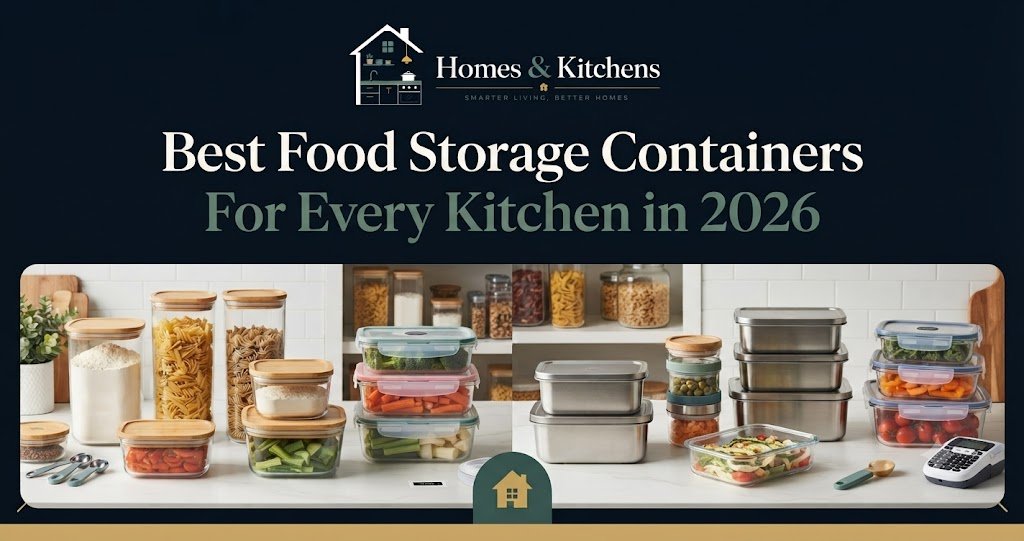
- BPA-Free Plastic (Tritan or Acrylic): Lightweight, shatter-resistant, and crystal clear. Tritan plastic mimics the clarity of glass without the heavy weight, making it ideal for high pantry shelves where heavy lifting is a hazard.
- Borosilicate Glass: Completely non-porous, highly resistant to thermal shock, and scratch-proof. Glass containers look timeless and never absorb food odors or stains (unlike tomato-based spills on plastic), though they require careful handling.
- Stainless Steel: Incredibly durable and completely opaque, protecting light-sensitive foods like spices and coffee beans from UV degradation.
Latching Mechanisms
- Four-Sided Snap Locks: Provide a secure, physical clamp that reassures you the seal is locked tight.
- One-Touch Press Buttons: Great for one-handed operation while cooking, though they require periodic cleaning underneath the internal plunger mechanism.
- Push-Pull Rubber Gaskets: Simple and minimalist, relying on friction to hold the lid in place.
Top Airtight Container Picks for Every Pantry
Note: We recommend products only after evaluating their durability, sealing integrity, and value. For more kitchen setup inspiration, explore our dedicated guides on Kitchen and general Homes maintenance.
The Gold Standard for Modular Living
OXO Good Grips POP Containers
- Best For: Homeowners seeking maximum vertical space optimization and sleek aesthetics.
- Why We Love It: The push-button mechanism creates an airtight seal with a single touch, doubling as a convenient handle to lift the lid. Their standardized modular footprints mean you can stack different heights cleanly.
- Consideration: The underside of the lids requires disassembly for thorough washing and drying to prevent trapped moisture.
The Budget-Friendly Bulk Storage Champion
Rubbermaid Brilliance Pantry Organization Set
- Best For: Families buying staples in bulk at warehouse clubs like Costco or Sam’s Club.
- Why We Love It: Constructed from ultra-clear, stain-resistant Tritan plastic that withstands accidental drops. The built-in latches fold flat against the container sides, making them extremely space-efficient.
- Consideration: The latches take a little extra hand strength to snap shut compared to one-touch alternatives.
The Eco-Friendly Aesthetic Choice
Anchor Hocking Glass Jar Canisters with Airtight Lids
- For Who: Cooks who prefer natural materials and classic, countertop-friendly styling.
- Why We Love It: Heavy-duty glass bases paired with silicone-gasket lids keep dry goods fresh while adding a warm, traditional touch to open shelving.
- Consideration: Glass adds significant weight when filled, making them less practical for high upper shelves.
Comparison Table
| Brand & Line | Primary Material | Sealing Mechanism | Best Suited For | Washability |
| OXO Good Grips POP | BPA-Free Tritan | Push-Button Vacuum | Deep shelves & modern aesthetics | Lid disassembles for cleaning |
| Rubbermaid Brilliance | Tritan Plastic | 4-Sided Latches | Heavy bulk storage & drop resistance | Top-rack dishwasher safe |
| Anchor Hocking Glass | Borosilicate Glass | Silicone Gasket | Countertop displays & eco-friendly homes | Hand wash recommended for seals |
| Vtopmart Clear Set | BPA-Free Plastic | Side-Locking Clips | Budget pantry makeovers | Hand wash recommended |
Step-by-Step Guide: How to Organize Your Pantry Like a Pro
Executing a successful pantry overhaul takes more than just unpacking new containers. Follow this field-tested workflow for lasting results.
Step One: Total Emptying and Sorting
Pull everything off your shelves. Group items into categories: baking supplies, grains, snacks, canned goods, and condiments. Check expiration dates immediately. One practical lesson homeowners often discover during this phase is how many duplicate bags of cinnamon or stale oats are hiding in the back.
Step Two: Measure Your Shelf Dimensions
Before purchasing any containers, measure your shelf depth, width, and vertical clearance. Standard pantry shelves are typically 12 to 16 inches deep. Choose containers that allow at least one inch of clearance at the top so you can easily pull them off the shelf.
Step Three: Decanting and Labeling
Transfer your dry goods into the new airtight containers. Do not skip labeling! Use a waterproof chalk pen or label maker to note the ingredient name and, crucially, the expiration date clipped from the original packaging.
Step Four: Zone Your Placement
Arrange your pantry based on frequency of use:
- Eye-Level Shelves: Daily staples like coffee, cereal, and go-to snacks.
- Lower Shelves: Heavy bulk items, large flour bins, and appliances.
- Upper Shelves: Infrequently used specialty baking ingredients and extra stock.
Common Mistakes to Avoid
- Buying Containers Before Measuring: Buying a massive multi-pack online without measuring shelf height often leads to containers that do not fit upright.
- Forgetting to Label Expiration Dates: Relying on memory for when a bag of whole-wheat flour or yeast was opened leads to ruined baking projects.
- Ignoring Container Maintenance: Failing to clean silicone gaskets regularly allows mold or dust to compromise your food safety. Always remove gaskets periodically to wash underneath.
- Mismatches in Scale: Trying to fit tiny snack items into oversized containers wastes valuable pantry real estate.
Expert Tips
- The Water Test: When trying out a new set of containers, fill them with dry paper towels, seal them tightly, and submerge them in a sink for 30 seconds. If the paper towel stays bone dry, your seal is airtight.
- Bay Leaf Trick: Placing a dried bay leaf inside your flour or grain containers naturally deters pantry bugs without chemical additives.
- Match Container to Bag Size: When buying standard 5-pound bags of flour or 4-pound bags of sugar, select containers rated slightly larger (e.g., 4.4-quart or 5-quart sizes) so the entire bag pours in effortlessly without overflowing.
Pantry Organization Checklist
- Measure all shelf depths, widths, and vertical clearances.
- Purge expired and duplicate dry goods.
- Select container materials matching your household needs (plastic vs. glass).
- Purchase modular sets to maximize vertical stacking.
- Clean and dry shelves thoroughly before restocking.
- Decant ingredients and apply clear expiration labels.
- Arrange zones by frequency of use.
Frequently Asked Questions
How do I clean silicone gaskets safely?
Remove the silicone ring from the lid using a blunt tool (like a butter knife) to avoid tearing. Soak them in warm, soapy water with a splash of white vinegar to eliminate lingering food odors, rinse thoroughly, and let them dry completely before reinserting.
Are plastic airtight containers safe for food storage?
Yes, provided you choose products explicitly labeled BPA-free. High-grade materials like Tritan plastic are certified food-safe, highly durable, and designed to prevent chemical leaching under normal kitchen temperatures.
Can airtight containers completely stop pantry pests?
While robust plastic and glass containers prevent pests from chewing through packaging, ensure you inspect dry goods before decanting them. If microscopic insect eggs are already present inside a bag of flour, sealing them inside can still allow hatching; freezing flour for 48 hours prior to storage is a common preventative step used by bakers.
Final Verdict
Achieving a clean, functional pantry comes down to matching your storage products to your lifestyle. If you prioritize one-handed operation and sleek vertical stacking, the OXO Good Grips POP Containers remain unmatched. If you need robust durability for heavy family use and bulk warehouse savings, the Rubbermaid Brilliance line delivers exceptional value and performance.
Key Takeaways
- True airtight seals protect dry staples from humidity, oxidation, and pests, significantly extending food shelf life.
- Measure your shelves before buying any storage set to avoid vertical clearance issues.
- Labeling expiration dates prevents food waste and ensures your baking ingredients stay fresh and active.
- Modular, stackable designs turn wasted vertical space into an organized, highly accessible pantry system.
Conclusion
Upgrading your kitchen storage is one of the most rewarding home improvement projects you can tackle in a weekend. By replacing messy cardboard boxes and flimsy bags with dependable, airtight containers, you protect your grocery investment, simplify your cooking routine, and bring a lasting sense of calm to your daily life. Take it one shelf at a time, measure twice, and enjoy your newly streamlined kitchen space.