Introduction
Picture this: You are standing in front of your kitchen pantry on a busy Tuesday evening at 6:00 PM, trying to assemble quick weeknight tacos. You push aside a half-empty bag of tortilla chips that crumbles under your thumb, knock over an expired can of black beans hiding in the shadows, and realize you bought ground cumin last week only to find three full jars already buried behind the flour bin.
If this chaotic scene sounds familiar, you are certainly not alone. In many U.S. homes, the pantry serves as a catch-all black hole where groceries go to get lost, forgotten, and eventually thrown away. According to data tracked by organizations like the USDA, American households waste billions of pounds of food annually, and a surprising amount of that waste stems simply from disorganized pantries where items expire out of sight.
Transforming your pantry goes far beyond achieving a satisfying, Instagram-worthy aesthetic. It is an intentional design strategy that reclaims square footage, cuts down your monthly grocery bill, and brings calm to your daily cooking routine. Whether you are working with a deep walk-in pantry in a suburban kitchen or a narrow reach-in cabinet in an urban apartment, smart storage changes everything.
The Psychology of Pantry Space and Food Waste
Why do we buy duplicates of ingredients we already own? The root cause usually lies in poor visibility and inefficient spatial planning. When items stack vertically without clear boundaries or sightlines, human psychology takes over: out of sight truly means out of mind.
Why Traditional Shelving Fails
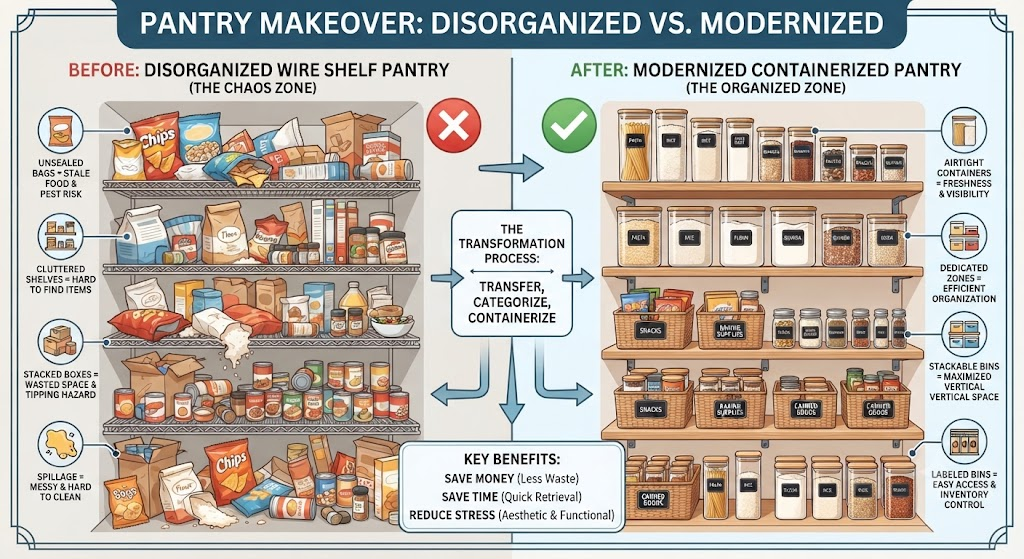
Standard wire or fixed wooden shelves installed in builder-grade homes often feature a deep 16-to-20-inch span. While this looks spacious on paper, human arms and kitchen items do not fit well in deep, dark rows. You end up double-stacking cereal boxes and canned goods, meaning whatever sits in the back stays there until the expiration date passes.
The Cost of Invisible Inventory
When you cannot see your inventory, you buy extras “just in case.” Over a single year, clearing out expired baking supplies, hidden spices, and spoiled produce adds up to hundreds of dollars in wasted groceries. Applying strategic pantry storage ideas stops this cycle by turning dead zones into active, visible real estate.
Assessing Your Pantry Layout and Needs
Before buying a single plastic bin or decanting flour into glass jars, pause and evaluate how you use your kitchen. A pantry that looks stunning in a design magazine will fail if it does not match your household’s actual cooking habits.
Step-by-Step Pantry Audit
- Empty everything completely: Pull every single item out onto your kitchen island or dining table. Do not skip this step.
- Sort by category: Group items into logical families—baking supplies, snacks, canned goods, grains, breakfast items, and oils or condiments.
- Check expiration dates ruthlessly: Discard expired items, and note which foods you bought but never actually ate. This prevents you from repeating past purchasing mistakes.
- Analyze container constraints: Measure your vertical shelf clearance, depth, and overall width using a tape measure.
Expert Tip: One practical lesson homeowners often discover during organization projects is that buying storage containers before measuring is the number one cause of clutter. Always measure twice and shop once.
Strategic Zones: The Blueprint for Maximum Efficiency
Professional organizers and kitchen designers rely on the “Zone System” to keep kitchens functional. Applying this to your pantry keeps high-use items front and center while tucking seasonal or heavy items away.
![[ Eye Level ] ---> High-Frequency Use (Snacks, Daily Grains, Oils)
[ Above Eye ] ---> Medium-Frequency Use (Baking Supplies, Extra Canned Goods)
[ Bottom Shelf ] ---> Heavy Items & Bulk Storage (Appliance Inserts, Drink Cases)](https://homesandkitchens.com/wp-content/uploads/2026/08/image-7.png)
Zone Breakdown
- The Prime Zone (Eye Level to Waist Height): This is the most ergonomic zone. Keep everyday breakfast cereals, frequently used oils, lunchbox snacks, and staple grains here.
- The Reach Zone (Above Eye Level): Reserve upper shelves for lightweight, less frequent items like holiday baking sprinkles, specialty spices, or extra paper goods.
- The Power Zone (Lower Shelves): Store heavy items down low. Think large bags of flour, cast-iron skillets, heavy small appliances, or bulk beverage packs. Keeping heavy items low prevents dangerous overhead lifting accidents.
Maximizing Every Inch: Advanced Storage Solutions
To truly maximize pantry space, you must look beyond flat horizontal surfaces and utilize verticality, doors, and corners.
Upgrading Shelving Systems
If your pantry features fixed wire shelving that sags under the weight of canned goods, consider upgrading to adjustable solid wood or laminate shelving. Adjustable tracks let you lower or raise shelves by an inch, completely eliminating the wasted dead space between stacked cereal boxes.
Utilizing Door Real Estate
The back of a pantry door is prime unused square footage. Over-the-door wire rack systems or canvas pocket organizers can hold dozens of items that normally clutter shelves:
- Spice jars
- Sauce packets and gravy mixes
- Foil, plastic wrap, and parchment paper rolls
- Cleaning supplies
Lazy Susans and Turntables
Corner pantries and deep, dark cabinets are notorious for trapping jars in the back. Placing a 9-inch or 12-inch acrylic lazy Susan in a corner instantly transforms inaccessible dead space into a spinning showcase.
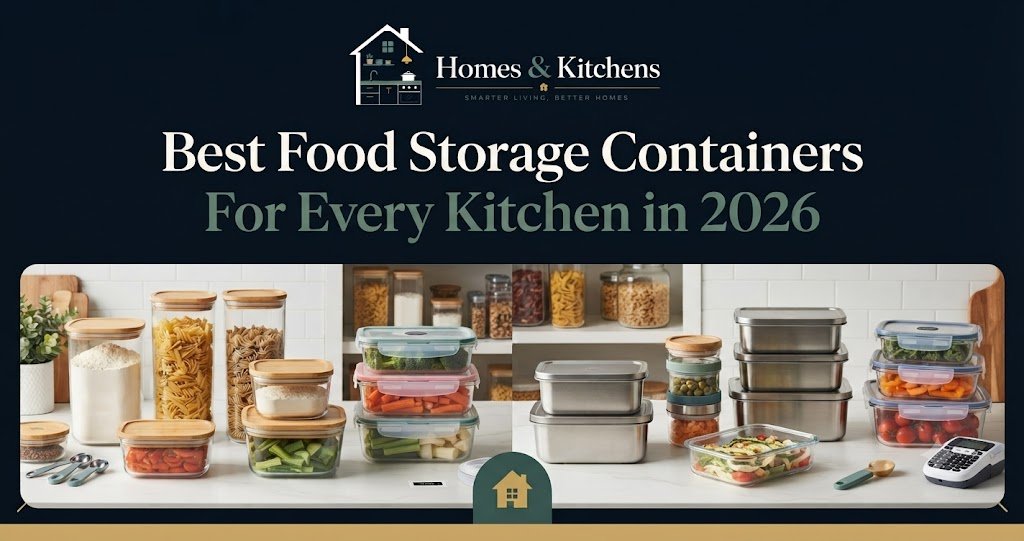
Airtight Containers and Decanting: Pros and Cons
Decanting dry goods—pouring flour, sugar, rice, and oats out of their original packaging and into clear, airtight containers—is a hallmark of modern pantry design. However, it requires careful consideration.
| Storage Method | Pros | Cons | Best Suited For |
| Original Packaging | Zero prep time; easy to read cooking instructions and expiration dates. | Prone to pest invasions; rips easily; messy pantry aesthetic. | Cereal boxes, pasta bags, quick snacks. |
| Clear Plastic Canisters | Pest-proof; preserves freshness; uniform look maximizes shelf stacking. | Upfront cost; requires labeling; washing containers takes time. | Flour, sugar, rice, beans, baking staples. |
| Glass Jars | Highly durable; chemical-free; elegant aesthetic; easy to sanitize. | Heavy; fragile if dropped; potential safety hazard on high shelves. | Homemade preserves, dried pasta, specialty grains. |
Reducing Food Waste Through Smart Design
Storage layout directly influences food consumption habits. When you implement specific visual cues, you naturally consume food before it spoils.
The FIFO Method (First In, First Out)
Borrowed from commercial restaurant kitchens, the FIFO method means newer groceries go in the back, while older groceries are pulled to the front. When restocking canned tomatoes or pasta sauce, always slide the fresh cans behind the older ones.
The “Eat Me First” Bin
Designate a small acrylic or wire basket on your middle shelf labeled “Eat Me First”. Whenever you notice produce nearing its prime, leftovers from dinner, or yogurt cups close to their sell-by date, place them right in this bin. Family members will see it immediately when opening the pantry door.
Transparent Labeling Systems
Even with clear containers, knowing the difference between granulated sugar and salt or knowing when a bag of almond flour was opened can be tricky. Use a label maker or water-resistant chalk markers to write down both the item name and the expiration date on the bottom or front of your container.
Common Pantry Organization Mistakes to Avoid
Even well-intentioned DIYers often fall into common traps that undermine their hard work. Watch out for these pitfalls:
- Over-buying matching bins: Buying twenty identical containers before knowing what you are storing leads to awkward empty spaces or items that do not fit.
- Ignoring package dimensions: Tall cereal dispensers might look sleek, but if your shelf clearance is only 11 inches, your 12-inch container won’t slide in.
- Hiding expiration dates: When decanting bags into bins, cutting out the cooking instructions and expiration date from the original packaging and taping it to the bottom of the container is a vital step many people forget.
- Neglecting lighting: A dark pantry hides expired food. Adding battery-operated puck lights or LED strip lighting changes everything.
Step-by-Step Guide to Overhauling Your Pantry
Ready to tackle your pantry this weekend? Follow this step-by-step master plan for a seamless transformation.
- Clear and Clean: Remove all items. Vacuum up crumbs, wipe down sticky shelf surfaces with warm soapy water, and let everything dry completely.
- Patch and Paint: If your wire shelves left scuffs or you want a fresh look, touch up the wall paint or apply a fun peel-and-stick wallpaper to the back wall for an instant designer pop.
- Map Your Zones: Use painter’s tape on the shelves to outline where snacks, baking supplies, and canned goods will live based on your household’s daily flow.
- Implement Containers: Fill your selected canisters with bulk staples, apply clean labels, and arrange them by height and frequency of use.
- Establish Maintenance Habits: Spend five minutes every Sunday evening tidying up shelves and checking the “Eat Me First” bin.
Pantry Storage Checklist
Print or save this checklist to ensure your pantry overhaul covers all bases:
- Complete audit and expiration date check of all current food items
- Detailed measurements of shelf depth, width, and vertical clearance
- Installation of adjustable shelving or wire risers if needed
- Grouping items into defined functional zones (Snacks, Baking, Grains)
- Implementation of airtight containers for pest-prone dry goods
- Setup of a dedicated “Eat Me First” rescue bin
- Utilization of over-the-door storage racks for packets and spices
- Addition of battery-operated LED lighting for dark corners
- Labeling system created for decanted flours, grains, and sugars
Frequently Asked Questions
How do I keep pantry bugs out of flour and grains?
Pests like grain weevils and pantry moths often enter your home inside the original paper or cardboard packaging from the grocery store. Transferring dry goods immediately into airtight, heavy-duty plastic or glass containers with silicone gaskets prevents pests from entering or spreading to other foods.
What is the best way to organize spices in a pantry?
If your pantry has shallow depth, door-mounted racks work exceptionally well. For deep shelves, tiered shelf inserts (stair-step risers) allow you to see every label at a glance without knocking bottles over.
How often should I deep-clean my pantry?
Aim for a complete audit and deep clean twice a year—ideally during spring cleaning and right before the autumn holiday baking season. This naturally aligns with shifting seasonal eating habits.
Final Verdict
Investing time and thought into your pantry layout pays dividends in both convenience and savings. By moving away from deep, dark stacks and adopting transparent containers, designated zone planning, and proactive waste-reduction habits like the FIFO method, you turn a chaotic frustration into one of the hardest-working spaces in your home.
For more ideas on upgrading your cooking space, explore our expert guides on [Kitchen] organization and general [Homes] maintenance tips.
Key Takeaways
- Visibility drives savings: When you can clearly see your inventory, you eliminate duplicate purchases and drastically cut down on household food waste.
- Measure before you buy: Never purchase storage containers or baskets without first measuring your shelf depth, width, and vertical clearance.
- Embrace the Zone System: Keep high-frequency items at eye level, lightweight items up high, and heavy bulk items on the bottom shelves.
- Adopt the “Eat Me First” habit: Dedicate a specific, highly visible bin for foods and leftovers nearing their expiration date to protect your grocery budget.
Conclusion
A well-organized pantry is much more than a design trend; it is a practical foundation for a more efficient, cost-effective household. By taking a systematic approach to auditing, zoning, and maintaining your storage spaces, you reclaim control over your kitchen and protect your hard-earned grocery budget. Start small with a single shelf or category today, and enjoy the lasting calm and clarity a streamlined pantry brings to your everyday life.