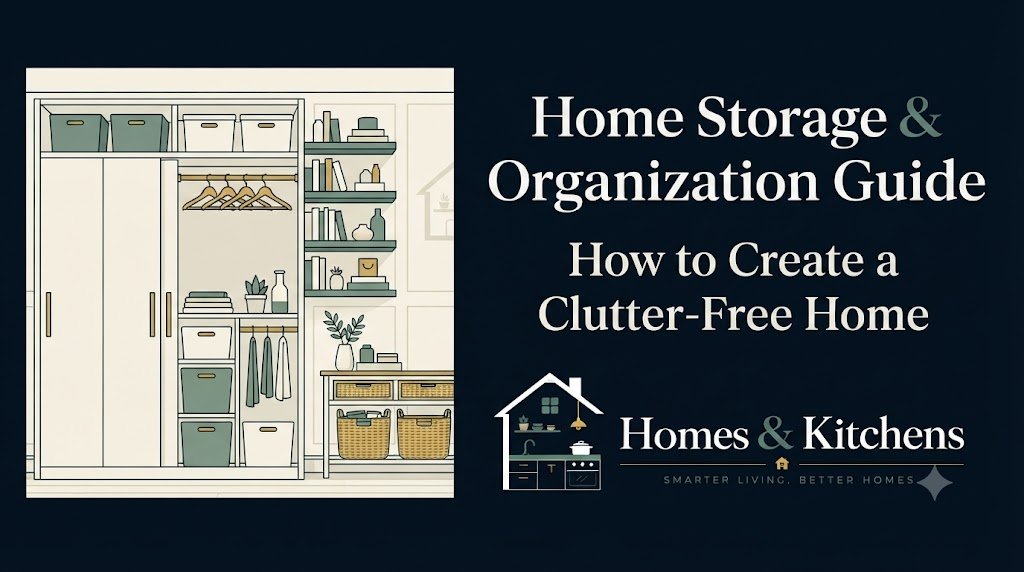
A disorganized home does more than consume physical square footage; it drains mental energy. Every misplaced item, crammed junk drawer, and overflowing closet represents a micro-decision that wears down your cognitive bandwidth throughout the day. Creating an orderly home is not about achieving the sterile perfection of a catalog shoot. It is about engineering a physical environment that supports your daily routines, reduces daily friction, and gives every single possession a deliberate, functional home.
Transforming a chaotic living space into a streamlined, calm environment requires more than a quick trip to the home goods store for decorative plastic bins. True organization is a systematic process rooted in behavioral habits, thoughtful spatial planning, and realistic maintenance routines. Whether you are moving into your first home, trying to regain control after years of accumulating clutter, or simply looking to optimize a compact apartment, this comprehensive guide provides the blueprint you need.
The Psychology and Foundations of Decluttering
Before you buy a single storage basket or install a closet shelf, you must understand why clutter accumulates and how to systematically strip it away. Sustainable organization begins with a mindset shift away from mere tidying toward active curation.
The True Cost of Clutter
Physical clutter acts as constant visual static. Environmental psychology research demonstrates that excessive clutter overloads the visual cortex, limiting your brain’s ability to process information and focus. Beyond mental fatigue, disorganized spaces lead to wasted financial resources—how many times have you repurchased a tool, spice jar, or household cleaner because you could not find the existing one buried beneath a pile?
The Core Decluttering Framework
To clear a room effectively, avoid the trap of randomly sorting items. Instead, use a structured four-box method for every space you tackle:
- Keep & Relocate: The item is used regularly, holds genuine functional value, or brings deep emotional joy, and it currently lives in the correct room.
- Donate & Sell: The item is in good, usable condition but no longer serves your current lifestyle, family stage, or spatial layout.
- Trash & Recycle: The item is broken, expired, missing essential parts, or beyond repair.
- Relocate to Another Room: The item belongs in your home, but it has migrated to the wrong zone (e.g., a coffee mug sitting in the home office).
Expert Tip: Never skip the sorting phase by immediately stuffing items into storage bins. Hiding clutter inside an opaque container is merely rearranging disorder, not organizing. Every item must earn its right to occupy physical space in your home.
Room-by-Room Organization Strategies
Every room in a house serves a distinct function, which means storage solutions must be tailored to the specific activities that take place within those four walls.
1. The Entryway and Mudroom (The Home’s Drop Zone)
The entryway is the primary choke point for household clutter. Backpacks, shoes, mail, keys, and jackets tend to accumulate instantly upon opening the front door.
- Establish Landing Stations: Install a wall-mounted mail organizer or a designated ceramic tray for keys and wallets immediately next to the door.
- Vertical Shoe Management: Ditch open floor piles of shoes in favor of shallow, tilt-out shoe cabinets or tiered shelving units that utilize vertical wall space rather than floor space.
- Family Lockers and Hooks: Assign each family member a specific hook and lower basket for backpacks, sports gear, and daily outerwear.
2. The Kitchen and Pantry
A functional kitchen relies on zoning—grouping tools and ingredients near the areas where they are actually used.
- Prime Real Estate Management: Store everyday items (plates, glasses, coffee mugs, mixing spoons) in lower wall cabinets and waist-high drawers. Reserve top shelves and deep back corners for seasonal appliances like turkey roasters or ice cream makers.
- Pantry Decanting: Transfer dry goods (flour, sugar, pasta, grains) into airtight, clear square canisters. Square containers maximize shelf space far better than round jars.
- Deep Drawer Dividers: Use modular pegboards or bamboo dividers inside deep pot-and-pan drawers to keep lids upright and cookware neatly separated.
For a deeper dive into kitchen design and layout optimization, explore our detailed Kitchen Cabinets Guide and learn how to pair your storage with ideal Countertop Materials.
3. Closets and Bedrooms
Closets are notoriously prone to becoming black holes for unworn clothing and forgotten accessories.
- The One-Year Rule: Turn all your clothing hangers backward at the start of the season. Once you wear and wash an item, hang it back up the normal way. After twelve months, evaluate every hanger that remains backward—those items are prime candidates for donation.
- Double-Hung Rods: Maximize wardrobe height by installing upper and lower hanging rods for shorter items like shirts, skirts, and folded trousers, reserving full-length hanging space solely for dresses and long coats.
- Drawer Roll Folding: Instead of stacking t-shirts and sweaters vertically in deep drawers—where pulling one shirt collapses the stack—use file-folding methods to store items upright so every piece is visible at a single glance.
4. Living Rooms and Family Spaces
Living rooms require a delicate balance between cozy relaxation and concealed storage for everyday media, toys, and throw blankets.
- Multi-Functional Furniture: Invest in storage ottomans, coffee tables with lift-tops or built-in drawers, and media consoles with closed cabinet doors rather than completely open shelving.
- Cord and Tech Management: Keep charging cables and power strips corralled inside specialized cable management boxes tucked behind the sofa or TV console to eliminate visual tangles.
Selecting the Right Storage Systems & Products
When it is time to purchase organizational products, quality and versatility matter far more than aesthetic trends. Here is how to choose products that will last for decades.
Product Selection Framework
- Measure Twice, Buy Once: Never buy storage bins or shelving units before measuring the exact interior dimensions of your cabinets, closets, or floor space.
- Prioritize Adjustability: Choose shelving systems with adjustable tracks rather than fixed brackets so your storage can evolve as your needs change.
- Match Material to Environment: Use moisture-resistant wire or plastic bins in bathrooms and damp basements, and reserve natural wood and woven seagrass for dry living areas and bedrooms.
Top-Recommended Storage Products
| Category | Product Name | Best For | Key Features | Price Range |
| Best Overall Closet | Elfa Classic Mesh Drawer Unit | Wardrobes & Craft Rooms | Modular steel construction, breathable mesh, fully customizable | $$$ |
| Best Budget Pantry | Rubbermaid Brilliance Containers | Dry Goods & Baking Supplies | 100% leak-proof, crystal-clear Tritan, stackable | $$ |
| Best Heavy-Duty Garage | Gladiator GarageWorks Steel Rack | Heavy Tools & Gear | Welded steel frame, 2,000 lb total capacity, adjustable shelves | $$$$ |
| Best Apartment Solution | Seville Classics Mobile Cart | Small Kitchens & Bathrooms | Locking casters, removable wood top, chrome-plated steel | $ |
| Best Drawer Dividers | Sorbus Bamboo Expandable Trays | Kitchen Utensils & Desk Drawers | Natural organic bamboo, spring-loaded expansion, durable | $ |
Common Storage Mistakes to Avoid
Even well-intentioned homeowners often fall into common traps that sabotage their organizational efforts. Avoid these pitfalls to ensure long-term success:
- Buying Bins Before Decluttering: Purchasing decorative baskets before you know what you are keeping often leaves you with the wrong sizes and shapes for your actual belongings.
- Ignoring Vertical Space: Relying solely on floor-level storage leaves valuable square footage unused. Always look upward toward walls, the backs of doors, and upper closet volumes.
- Overcomplicating the System: If an organizational system requires a label maker, color coding, and five steps to put away a single pair of socks, family members will abandon it within a week. Keep systems simple and intuitive.
- Neglecting Maintenance Habits: Organization is not a one-time weekend project; it is an ongoing lifestyle habit. Schedule a 10-minute nightly reset to return items to their proper homes.
Part 5: Frequently Asked Questions
1. How do I start organizing my entire house without feeling overwhelmed?
Start small. Do not attempt to tackle an entire garage or kitchen in a single weekend. Begin with a single high-impact, contained micro-zone—such as a single bathroom vanity drawer or one bedside table—to build momentum.
2. What is the best way to handle sentimental items I don’t use?
Designate one single “memory box” per family member. If an item holds profound sentimental value but does not fit in that designated box, take a high-resolution photograph of it for a digital memory album before letting the physical item go.
3. How can I organize a home with zero built-in closet space?
Maximize vertical wall space with floating shelves, use freestanding armoires or clothing racks, and utilize low-profile under-bed storage rolling bins for seasonal linens and out-of-season clothing.
4. Are custom closet systems worth the investment?
Yes, if you plan to stay in your home for more than three to five years. Custom wood or wire systems typically increase home appraisal value, optimize every cubic inch of awkward closet architecture, and outlast cheap big-box store plastic organizers.
5. How often should I declutter my home?
Conduct a thorough, room-by-room audit twice a year—ideally during seasonal transitions in spring and fall. Additionally, practice the “one in, one out” rule year-round for clothing, books, and kitchen gadgets.
Key Takeaways
- Declutter First: Never purchase storage containers before ruthlessly sorting and purging unnecessary belongings.
- Zone Your Spaces: Group items by function and keep them stored as close to their point of use as possible.
- Think Vertically: Utilize walls, the backs of doors, and upper cabinet heights to maximize storage capacity in small homes.
- Keep Systems Simple: Design intuitive storage routines that every member of your household can easily maintain.
Final Recommendation
Achieving a clutter-free home is an empowering journey that transforms your living environment into a sanctuary of calm and efficiency. Start with Part 1’s four-box decluttering method in a single room today. Once you experience the mental clarity that comes from an intentional, well-ordered space, you will naturally feel inspired to carry those habits throughout the rest of your home.
Call to Action
Ready to take your home transformation further? Explore our related guides on Kitchen Organization Ideas, learn expert tips in our Kitchen Remodel Cost Guide, or discover how to streamline your morning routine with our expert review of the Best Coffee Makers.